
The music stalls and the crowd doubles. Maybe the food runs out early. Someone lost the list of volunteers. Sometimes, hosting a campus party becomes a lesson in leadership, time management, and crisis control. Organizing students, handling logistics, and owning the outcome isn鈥檛 always just fun. It can be the place you learn about stepping up.
Vision Starts with a Plan
A party begins with a simple idea. It quickly becomes a web of tasks. Choosing a date means balancing calendars. Picking a location forces hard questions about space, safety, and access. Even the theme affects how people will show up. The moment someone agrees to plan, leadership begins.
A good plan works as a guide. It gives the team a direction. Budgets must match the real world. Resources have to get stretched. Thinking ahead means imagining the worst: rain, noise complaints, equipment failure. Planning teaches leaders to think beyond the easy parts and face the details.
Ethics in the Background
A party reflects values. That鈥檚 true even if no one says it aloud. Who gets invited? What rules get set? Is it safe for everyone? Is it open or exclusive? These choices shape more than the mood. They shape reputation.
The alcohol question always appears. While many expect booze, . They allow space for people who avoid drinking or want a clear memory of the night. They also reduce risk and help with planning. Choosing to lead with ethics, not impulse, makes a difference. That choice stays with a leader long after college ends.
Delegation Teaches Trust
One person can鈥檛 do it all. A leader has to trust others. That means giving people jobs they can do and not jumping in to fix every problem. Some people take charge of music. Others handle snacks or decorations. There鈥檚 always that one person who knows how to hype the crowd.
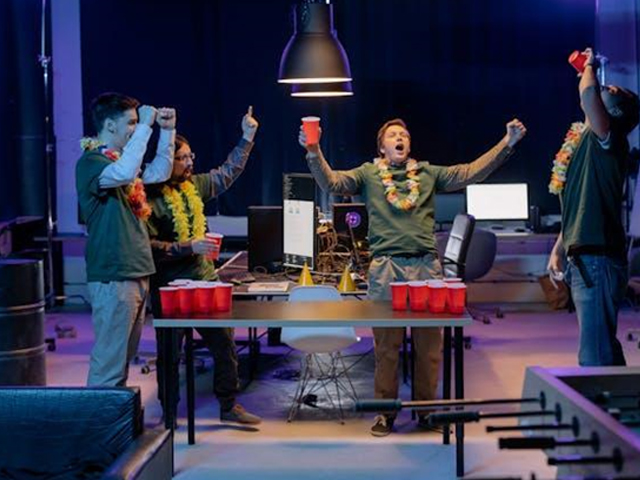
Problems pop up. Some volunteers forget tasks. Some show up late. Conflict appears over music choices or guest limits. Leading a team forces a quick learner to . They need to mediate, stay fair, and stop drama before it spreads. A small party team can teach someone how to manage a full boardroom later.
Clarity Matters
Good leaders don鈥檛 just talk. They make sure people understand. Hosting a campus party pushes this to the limit. If a task is vague, it won鈥檛 get done. If rules are unclear, they鈥檒l be broken. Communication doesn鈥檛 mean long speeches. It means short, sharp instructions that people remember.
There鈥檚 also the outside world. Students need to know when and where the party happens to prepare on time. Flyers, texts, and social posts become vital tools. If the messaging misses, the turnout shrinks. If it overpromises, the host faces backlash. Communication becomes a skill that grows under pressure.
Change Forces Action, Not Panic
No plan survives contact with the crowd. The speaker blows. The lights flicker. Maybe food arrives late. This is where leadership sharpens. Instead of waiting, leaders act. They move the crowd, fix the sound, or reroute the event. All in real time.
Leadership under stress looks messy. It includes fast decisions, wrong turns, and small wins. It also creates mental maps for the future goals. Next time, that leader knows to bring backups, double-check cables, or assign someone to fire watch. Hosting a campus party builds that reflex fast.
The Weight of Responsibility
Most people notice the party, not the planner. But when something goes wrong, everyone turns. Leadership means standing there and facing it. If there鈥檚 a noise complaint, the host deals with it. If someone gets hurt, the host calls for help. The party host becomes the de facto adult in the room.

This isn't about taking blame. It鈥檚 about ownership. The music was too loud? Fix it. Someone trashed the hallway? Clean it. These acts, though small, build the muscle of responsibility. That habit doesn鈥檛 fade. It shows up later in work, travel, and life.
The Team Learns Together
Hosting a campus party doesn鈥檛 teach only one person. Everyone who helps learns something. One student learns how to use spreadsheets. Another learns how to keep the playlist from crashing. Someone else discovers how hard it is to clean up confetti at 3 a.m.
A leader watches these moments. They see how people change when given real tasks. They notice who grows into roles and who hides. That insight matters later in jobs, relationships, or group travel. Knowing how others act under light pressure helps in times of real stress.
Growth Looks Like Cleanup
After the last guest leaves, the work begins. Cleaning bottles, folding chairs, taking down lights. The adrenaline fades. What鈥檚 left is reflection. What went well? What failed? Who helped? Who disappeared? These questions matter. They lead to better choices next time.
Hosting a campus party gives fast feedback. It doesn鈥檛 wait for performance reviews. You see the effect of every call. You remember every mistake. The next time, the leader makes fewer of them. That鈥檚 growth, and it happens in hours, not months.
Real Leadership Doesn鈥檛 Wear a Badge
Leadership often hides in plain sight. It doesn鈥檛 come with a title. It doesn鈥檛 show off. Someone sets up the tables early. Others buy the last-minute supplies. Someone notices when a guest looks lost and steps in to help. Those are the quiet leaders. Hosting a campus party pulls them forward.
In the end, leadership isn鈥檛 about control. It鈥檚 about service, and not being the loudest. It鈥檚 about being the most useful. If the party ends well, if people feel safe and welcome, that鈥檚 the true mark of a leader.
From Music to Meaning
Leadership can be learned from books, classes, and seminars. But real leadership often starts with doing. Hosting a campus party gives the pressure, the chaos, the hard calls, and the clear wins. It builds habits fast. It shows who鈥檚 ready to take charge when no one else will.
The lessons stay long after the last speaker gets unplugged. The skills鈥攑lanning, communication, empathy, ownership鈥攖ravel into other parts of life. They shape how people lead, work, and live. That鈥檚 why hosting a campus party is more than a good time. It鈥檚 a crash course in leadership that no classroom can match.